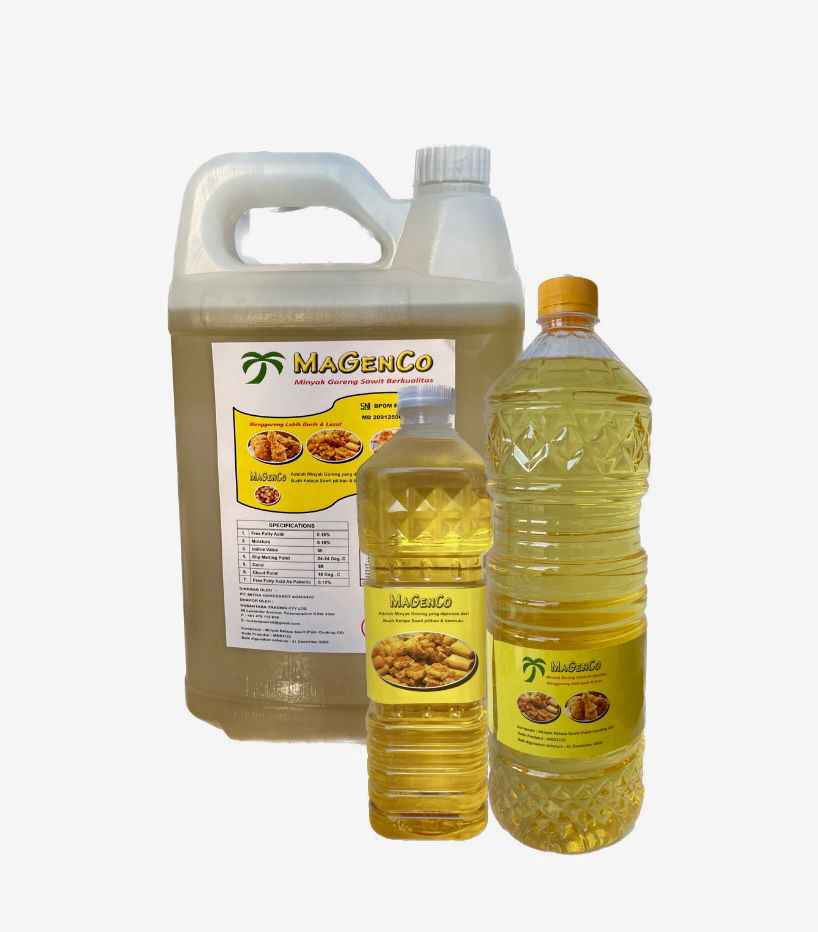


Palm Cooking Oil (PCO) is a widely used edible oil derived from the fruit of oil palm trees. Known for its versatility and stability at high temperatures, PCO is one of the most popular oils for frying, baking, and other culinary uses. It is valued for its affordability, neutral flavor, and long shelf life.
Product Introduction:
Composition: Palm Cooking Oil is composed primarily of saturated fats (around 50%), including palmitic acid, with the remainder being unsaturated fats such as oleic acid. It is also a source of natural antioxidants like Vitamin E (tocotrienols and tocopherols).
Main Applications:
Palm Cooking Oil is extensively used in the food industry for deep-frying, sautéing, and as an ingredient in margarine, shortening, and baked goods. It is also used in the production of snacks, instant noodles, and non-dairy creamers. Besides its culinary uses, palm oil derivatives are found in cosmetics, soaps, and biodiesel.
Palm Cooking Oil Specifications
| Parameter | Specification |
|---|---|
| Color | Golden Yellow |
| Odor | Neutral, Bland |
| Free Fatty Acid (FFA) content | Maximum 0.15% |
| Moisture and Impurities | Maximum 0.1% |
| Peroxide Value | Maximum 10 meq/kg |
| Saponification Value | 190 - 209 mg KOH/g |
| Iodine Value | 50 - 55 g I2/100g |
| Specific Gravity | 0.89 - 0.92 g/cm³ at 40°C |
| Melting Point | 35 - 39°C |
Packing:
Palm Cooking Oil is typically packaged in bulk containers such as drums, Intermediate Bulk Containers (IBCs), or flexitanks for industrial use. It is also available in consumer-friendly packaging, such as plastic bottles, jerry cans, or pouches, for retail distribution.
Quality Standards:
Palm Cooking Oil adheres to international quality standards such as those set by the Food and Agriculture Organization (FAO), Codex Alimentarius, and the International Organization for Standardization (ISO). Certifications like RSPO (Roundtable on Sustainable Palm Oil) are available for sustainably sourced products.