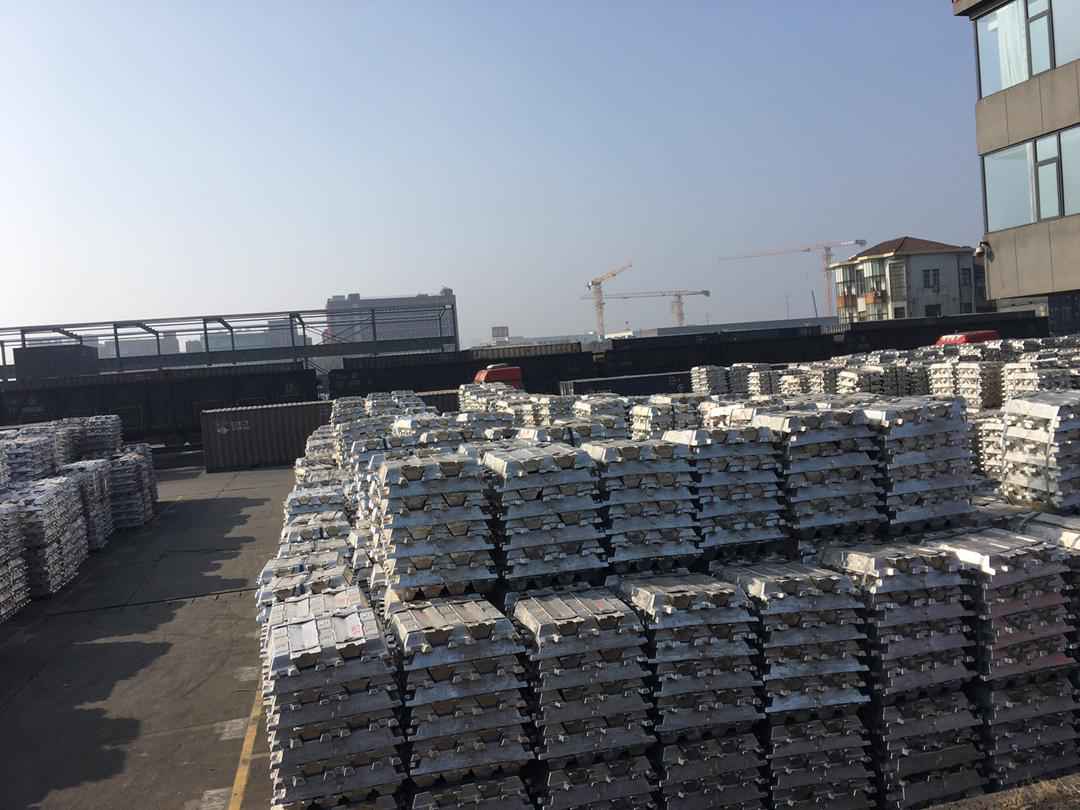


Tin is a versatile metal used in various applications due to its corrosion resistance, low toxicity, and ability to alloy with other metals. It is commonly used as a coating for steel to prevent rusting, especially in food packaging, where tin-plated cans help preserve the contents. In electronics, tin is a crucial component of solder, providing strong and reliable connections in circuit boards and other electrical assemblies.
Product Introduction:
Molecular formula: Sn
Molecular weight: 118.71
Physical properties: Tin is a silvery-white metal with a faint yellowish hue. It is soft and malleable, with a melting point of 231.93°C and a boiling point of 2602°C. Tin has a density of 7.265 g/cm³ and is highly resistant to corrosion.
Main applications:
Tin ingots are primarily used in the production of tin-based alloys such as bronze (tin and copper) and pewter (tin, antimony, and copper). These alloys are employed in bearings, gears, musical instruments, tableware, and decorative items. Additionally, tin compounds are used in glassmaking and ceramics.
Main components of grade A tin ingot:
| Component | Content (%) |
|---|---|
| Tin (Sn) | 99.85 |
| Silver (Ag) | 0.01 |
| Cadmium (Cd) | 0.001 |
| Lead (Pb) | 0.05 |
| Copper (Cu) | 0.04 |
| Arsenic (As) | 0.05 |
| Iron (Fe) | 0.01 |
| Zine (Zn) | 0.005 |
| Nickel (Ni) | 0.005 |
| Antimony (Sb) | 0.04 |
| Bismuth (Bi) | 0.03 |
| Cobalt (Co) | 0.005 |
| Others | 0.010 |
| Sum | 0.10 |
Product features:
1. High purity and quality.
2. Excellent corrosion resistance.
3. Superior malleability and ductility.
4. Low toxicity.
5. Wide range of industrial applications.
Packing:
Tin ingots are typically packed in bundles, wrapped in protective materials to prevent oxidation, and strapped securely to avoid movement during transportation.
Note:
The specifications and packaging of tin ingots can be customized according to customer requirements.